
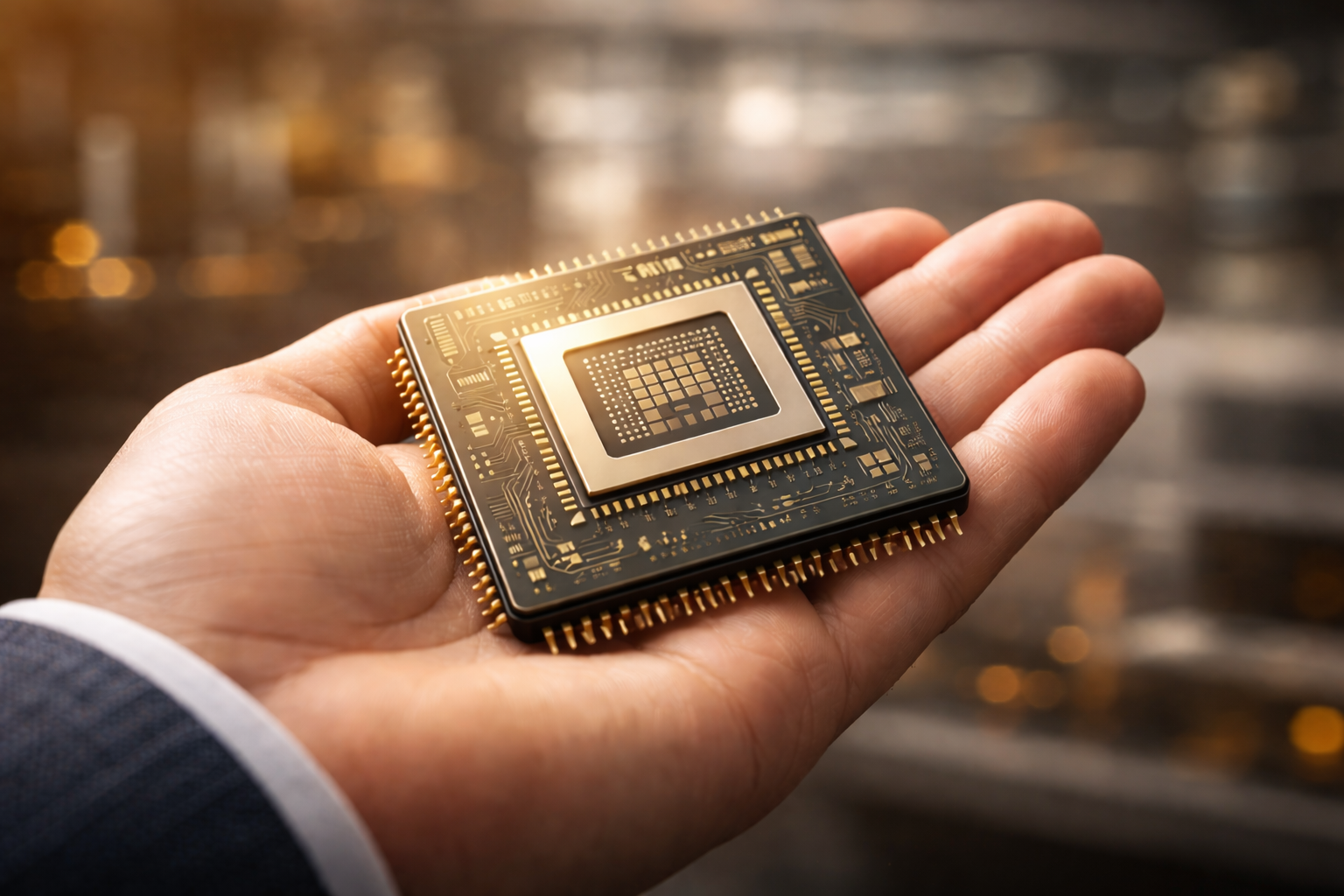
A structural shift is emerging within the semiconductor industry, one that is receiving less attention than headline innovation in artificial intelligence but may carry equally important implications for investors.
For decades, the industry operated on relatively predictable upgrade cycles, with companies refreshing hardware every two to three years in line with performance improvements and cost efficiencies. Today, that model is under pressure. Rising capital costs, combined with the scale of investment required to support AI infrastructure, are forcing companies to rethink how they manage existing assets.
Instead of rapid replacement, there is a growing emphasis on extending the lifecycle of current chips and equipment. What was once considered a five year horizon is now being stretched further, with some companies exploring operational lifespans approaching a decade. This shift reflects a more cautious and capital efficient approach in an environment where funding is more selective and the cost of new infrastructure continues to rise.
The implications extend beyond engineering decisions. Longer asset lifecycles directly affect balance sheets, depreciation schedules and overall capital allocation strategies. Companies are required to reassess how they manage liquidity, optimise utilisation and justify large scale capital expenditure in a more constrained environment.
For investors, this creates a broader opportunity set. Attention has traditionally focused on companies at the forefront of chip design and manufacturing. While these players remain critical, the changing dynamics highlight the importance of adjacent segments. Businesses that enable performance optimisation, maintenance, retrofitting and lifecycle extension are becoming increasingly relevant within the ecosystem.
This shift also introduces a new lens for evaluating risk. As companies adapt their financial structures and operational strategies, understanding how they manage longer asset cycles becomes essential. Balance sheet discipline, flexibility in capital deployment and the ability to extract value from existing infrastructure may become more important differentiators than raw technological advancement alone.
While the pace of innovation in semiconductors continues to accelerate, the underlying economics of the industry are evolving. The move towards longer chip lifecycles is a clear signal that efficiency, not just performance, is becoming a defining factor in the next phase of growth.
